

The relinquishment of human control over digital identity and the escalation of potential risks associated with data necessitate a heightened understanding of the situation. The exposure and dissemination of our online footprints, whether it be browser history or sensitive information, have increasingly evident repercussions. A prime example of this is the recent breach at MGM, resulting in substantial financial losses and numerous affected individuals. Additionally, cybersecurity breaches, such as the ones experienced by FTX, Genesis, and BlockFi, have seen a rise in ransomware attacks. These occurrences highlight the urgency of addressing the issue.
While digital sovereignty is often portrayed as an unattainable ideal requiring drastic overhaul or a complete migration to decentralized frameworks, is it necessary to resort to such extremities in order to empower individuals in their online lives? While blockchain technology offers promise, there are alternative pathways to sovereignty that may prove more accessible and practical for mainstream users.
So, what sets sovereignty apart from decentralization?

Sovereignty entails possessing and managing one's online identity and the data linked to it, exercising control over who can access and utilize that data without the need for external validation or authentication. However, it encompasses more than just this. It encompasses different aspects and is not a limited resource. For instance, an individual exerting control over who can view their online information is also practicing sovereignty, as they possess the authority to grant or revoke access at will.
Decentralization, on the other hand, focuses on the distribution of power and control across a network rather than consolidating it in a central entity.
It challenges the status quo and aims to make decisionmaking more resilient by leveraging shared ledgers and consensus models. However, convincing established tech leaders to fully embrace decentralized systems is challenging, as the motivation is often lacking. Companies benefit from the financial advantages and absence of government control that centralized ownership affords.
Nonetheless, achieving scalable decentralization through sovereign data and processing methods is feasible. These approaches offer different advantages, with the Bitcoin model excelling at managing a shared state without the need for a central authority, while the sovereign approach excels at managing individual states that can be securely shared.
Given this, embracing sovereignty is more feasible as it can be adopted incrementally. Decentralization, on the other hand, requires individuals to relinquish the familiar online world they have built around mainstream tools, browsers, applications, and profiles, in favor of a decentralized environment that is often unfamiliar and confusing. Despite the potential of decentralizing finance through cryptocurrencies, such endeavors alone are unlikely to drive mass adoption.
While decentralization is liberating, it also has its limitations in its current state. The ecosystem is still evolving, and there is much progress to be made, along with regulatory clarity, before we can fully embrace the decentralized world.
Leveraging digital sovereignty involves various essential factors, even in the present context.
These include the right to use one's own data, overcoming barriers set by companies that hinder users from easily accessing, understanding, transferring, or using their own data. For example, consider the scenario of shifting all your Facebook posts to Discord. How is this achieved? Are you provided with a comprehensive dataset or only limited data available on the platform? Ensuring accessible and usercentric data transfer is essential for enforcing the right to use personal data.
Furthermore, digital sovereignty highlights the intrinsic value and independence of data, regardless of the context or authentication behind it. Many platforms restrict data accessibility, limiting users to predetermined functionalities tied to their accounts. This significantly hampers data ownership, making it challenging to fully harness the inherent value and functionality of the data without compromising user privacy.
Controlling access to and use of personal data by others while safeguarding privacy is another critical aspect of digital sovereignty.
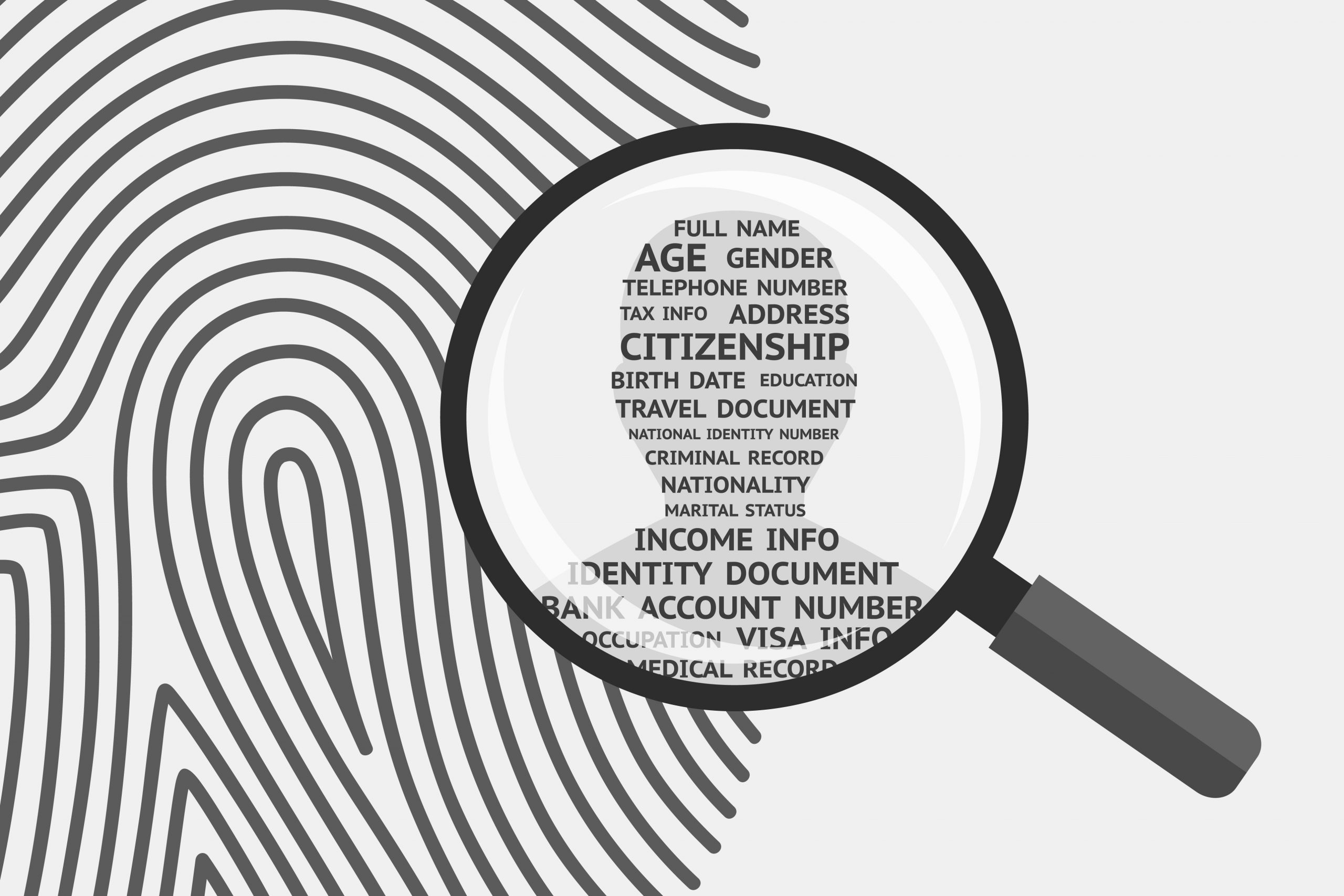
The perplexing world of targeted advertising serves as a prime example. Users are frequently bombarded with ads without clear insight into why they have been targeted. Understanding which datasets contribute to profiling and how ad relevance is determined is fundamental to digital sovereignty. Artificial intelligence can play a pivotal role in enabling users to analyze their data and discern the reasons behind targeted ads.
While digital sovereignty is the ultimate goal, achieving it requires significant societal changes that cannot be implemented overnight. Progress is being made, but there are still many challenges to overcome before digital sovereignty becomes mainstream and easily accessible. By adopting more sovereign tools and assuming greater responsibility in safeguarding data, both individuals and businesses can contribute to creating a secure and equitable digital realm.
In the journey towards digital sovereignty, the right to control personal data, the intrinsic value of data, and the ability to maintain control and privacy over data serve as the foundational cornerstones for a future where individuals hold the reins of their digital destinies.

0 Comments
WHAT'S YOUR OPINION ?